Key features
- Storage capacity selected for the system plan
- Compatibility checked with the inverter
- Battery protections vary by model
- Installation follows product requirements

Energy storage for compatible solar electricity, later use and selected backup loads.
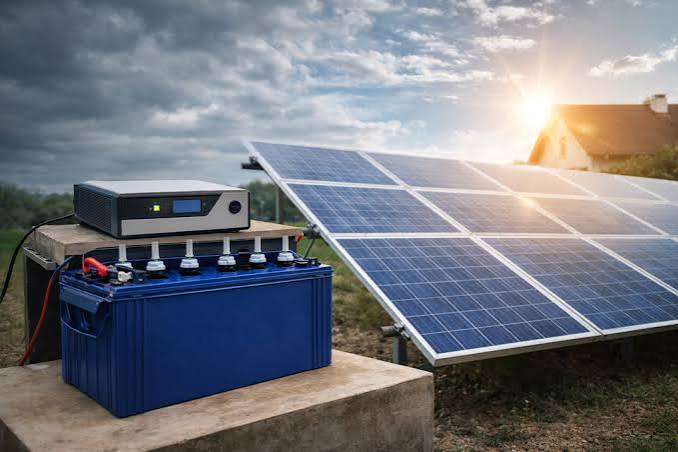
Solar batteries store electrical energy for use when solar generation is low or unavailable. They are most often paired with off-grid or hybrid systems and must be matched to the inverter, operating profile and backup priorities.
Usable capacity, charge and discharge limits, chemistry, temperature, installation conditions and expected cycling all affect battery performance. A realistic load and runtime conversation is essential because storage capacity is finite.
Request an assessmentA compatible inverter directs surplus solar electricity into the battery within permitted limits. When needed, the system draws stored energy and converts it to the required output. Actual backup time depends on usable capacity and connected demand.
A well-matched battery setup accounts for daily usage, backup duration and safe installation—not just nominal capacity. Define those requirements before recommending a storage configuration.
System performance, availability and approvals vary by equipment and location. A site-specific assessment is recommended before purchase.
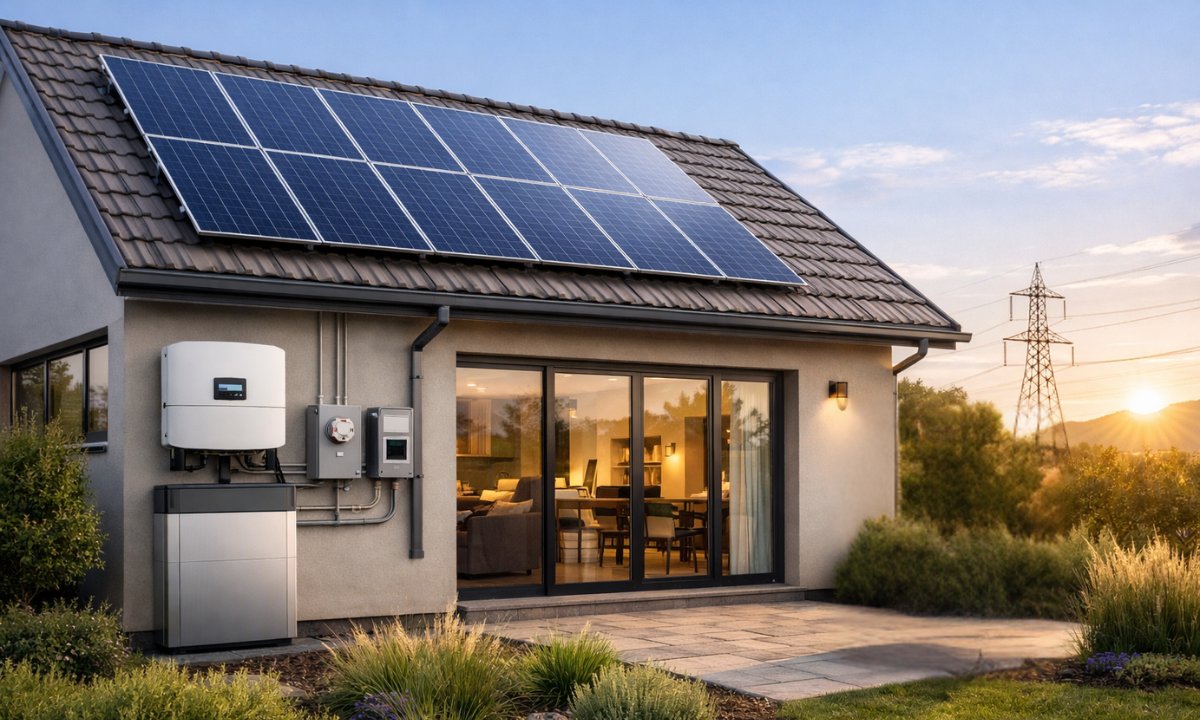
Flexible solar power that combines a utility connection with battery storage for selected backup needs.
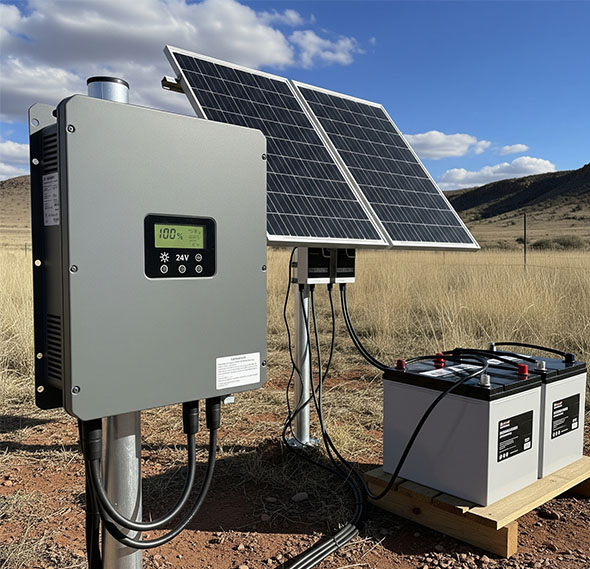
A stand-alone solar and battery configuration for properties with limited or no dependable grid access.
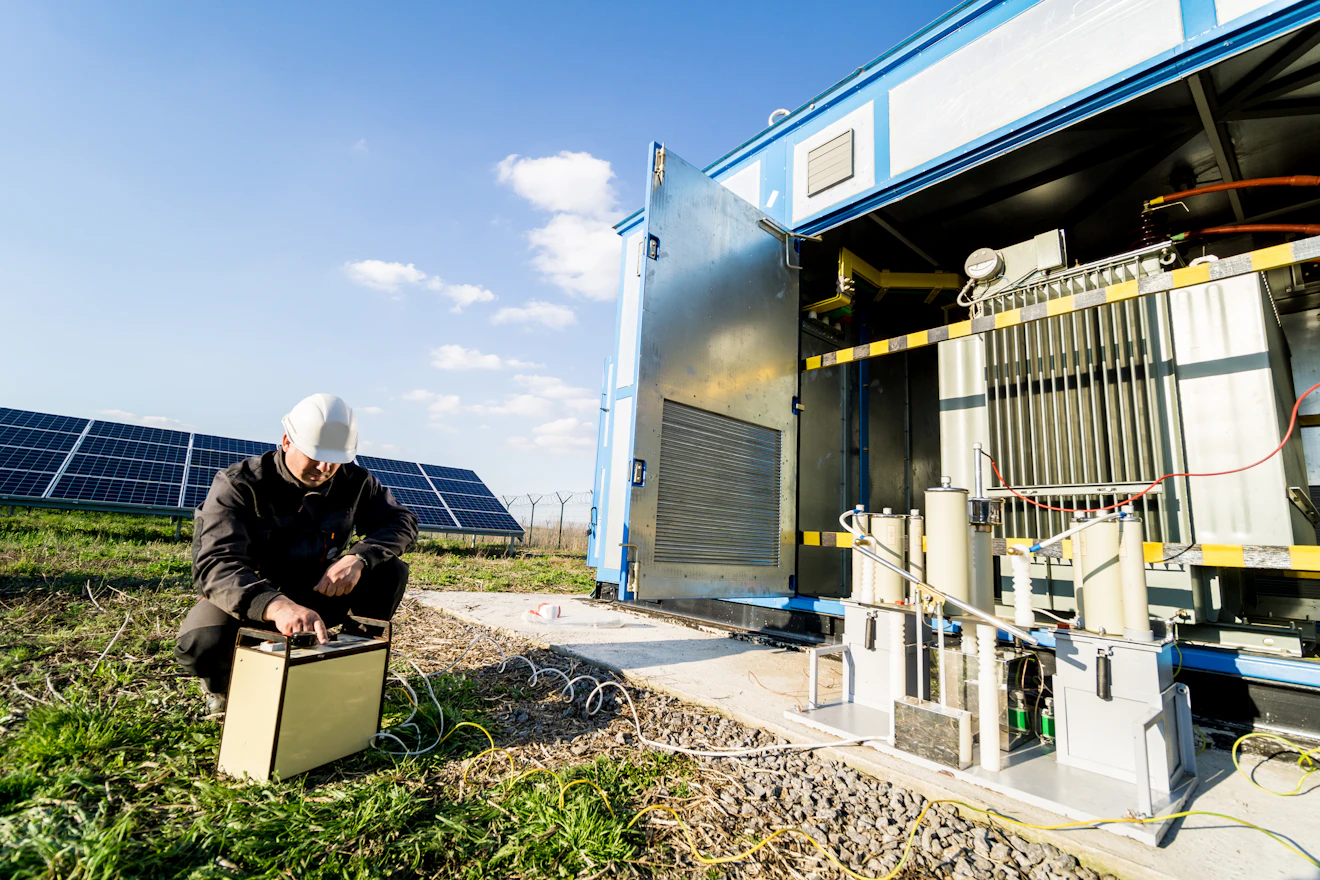
Inverter options that convert solar DC power into usable AC electricity and manage system operation.
Get clear answers about system options, installation and the next step.