Key features
- Grid-connected inverter operation
- Solar generation for daytime loads
- System sizing based on site assessment
- Utility coordination where required
A grid-connected solar solution for properties with a dependable utility connection.
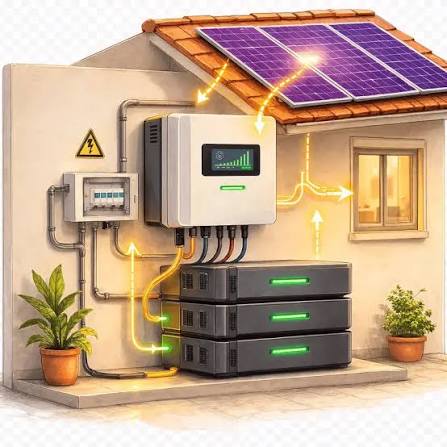
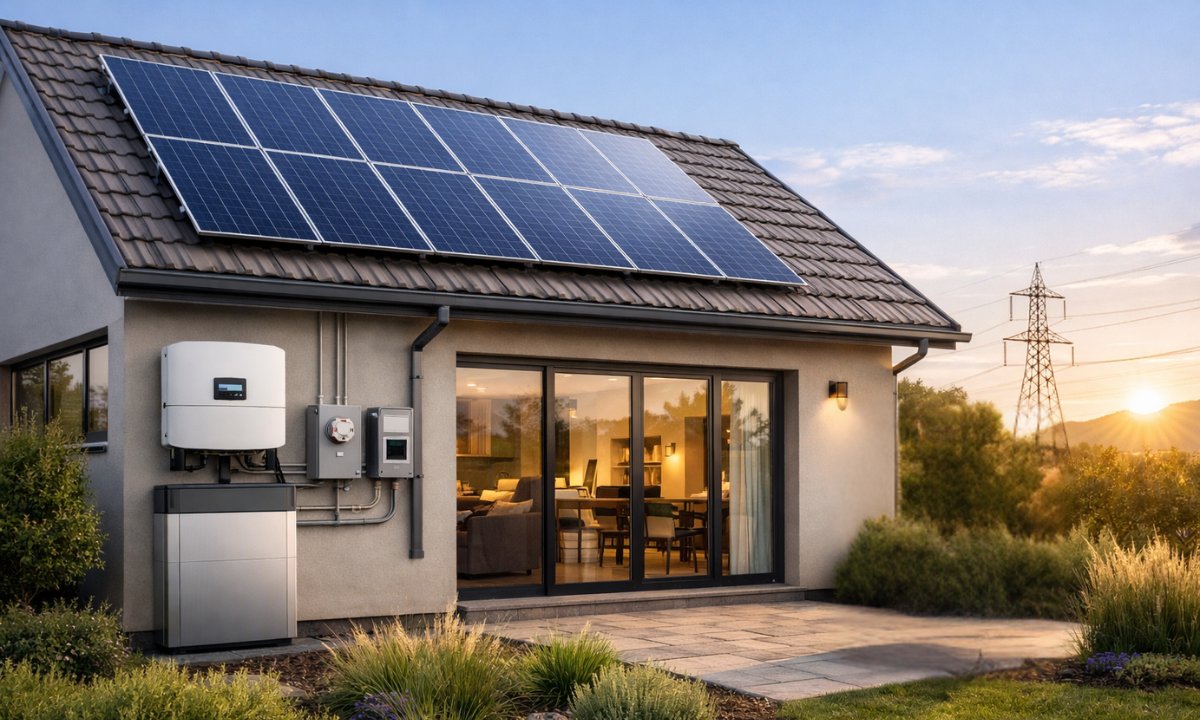
An on-grid solar system connects rooftop solar panels to the electricity grid through a grid-compatible inverter. During sunny hours, the system supplies solar electricity to the property; grid power remains available when solar generation is insufficient.
The system is planned around the site, energy use and applicable utility requirements. It can suit properties with a dependable grid connection and daytime electricity demand. Export and billing arrangements depend on local regulations and utility approval.
Request an assessmentSolar panels produce DC electricity from sunlight. A grid-tied inverter converts this output to AC power that can serve compatible building loads. The utility grid supplies power whenever solar output is not enough. Standard grid-tied systems switch off during a grid outage unless a separately designed backup arrangement is included.
Choose an on-grid configuration when your property has a reliable utility connection and you want to make direct use of rooftop solar generation. A site survey helps confirm panel placement, electrical compatibility and local interconnection requirements.
System performance, availability and approvals vary by equipment and location. A site-specific assessment is recommended before purchase.
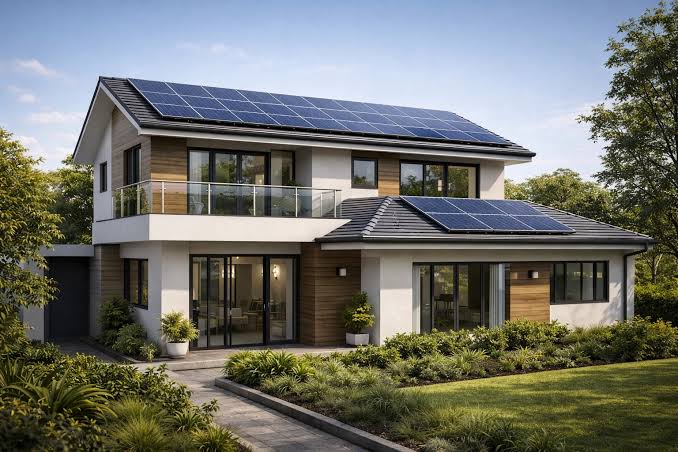
Photovoltaic modules selected for the available roof or ground area and the system design.
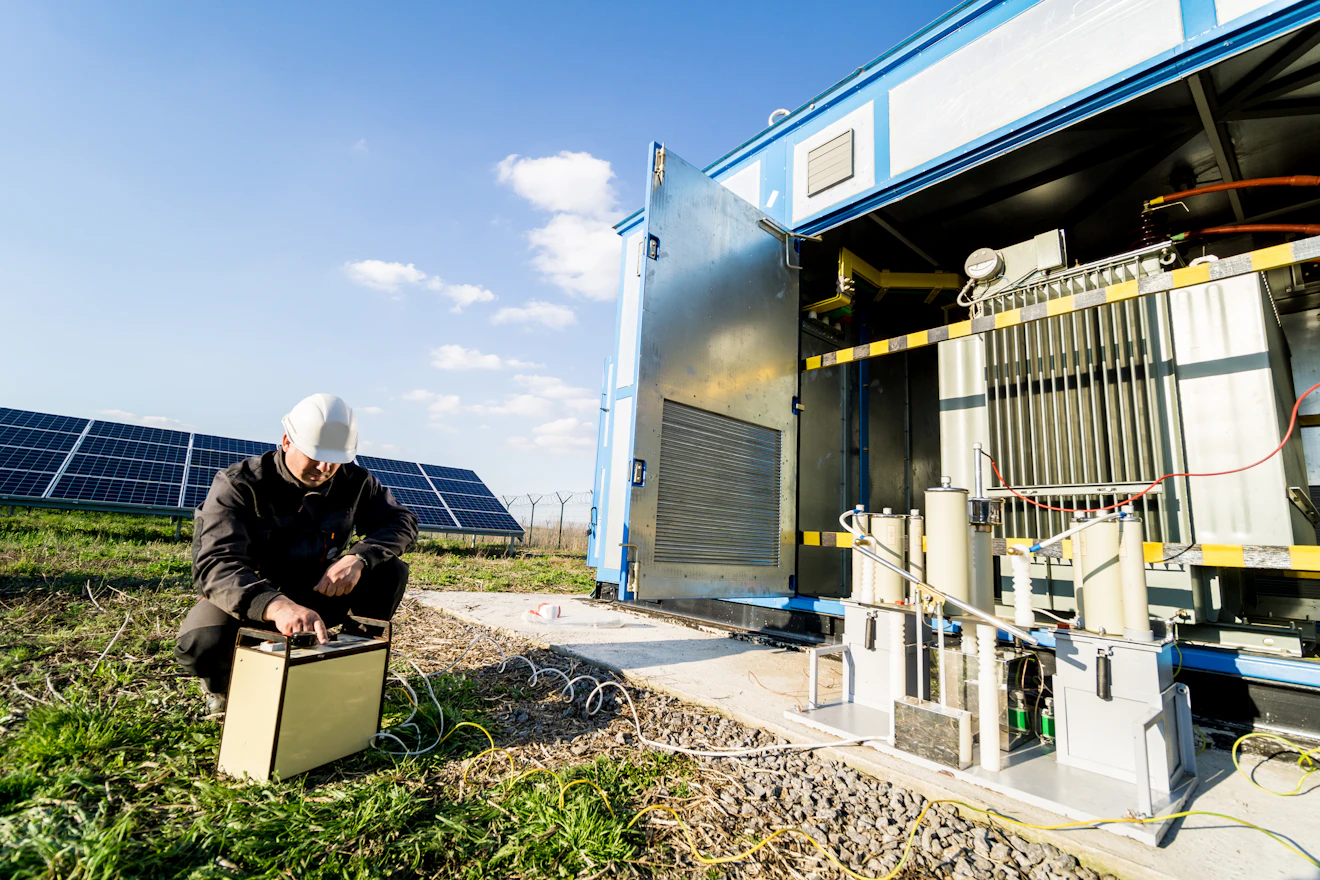
Inverter options that convert solar DC power into usable AC electricity and manage system operation.
Flexible solar power that combines a utility connection with battery storage for selected backup needs.
Get clear answers about system options, installation and the next step.