Key features
- Independent system architecture
- Battery storage for later use
- Designed around essential and daily loads
- May be planned with a backup generator interface

An independent solar and battery system for sites with limited or no dependable grid access.
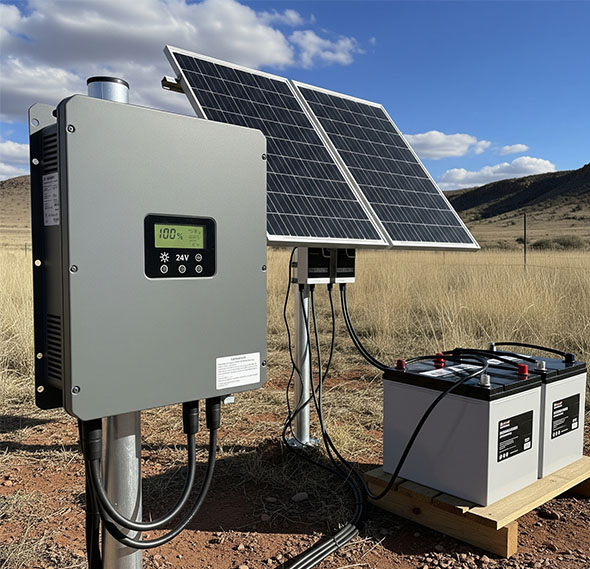
An off-grid system generates and stores electricity independently of the utility grid. Panels charge a battery bank through a suitable charge controller or inverter, and stored energy is made available when sunlight is low or loads are needed after sunset.
Correct sizing is especially important because the system must balance daily energy use, seasonal sunlight, battery capacity and backup requirements. A load review helps identify essential circuits and realistic autonomy expectations before equipment is selected.
Request an assessmentSolar modules generate DC energy, which is managed by a charge controller or off-grid inverter to charge batteries and supply loads. Battery state, available solar and connected demand determine how much energy is available. Careful load planning helps protect battery life.
An off-grid solution suits sites where connection to the utility is impractical. Start with a load assessment and discuss seasonal use, backup needs and battery care before settling on a system configuration.
System performance, availability and approvals vary by equipment and location. A site-specific assessment is recommended before purchase.
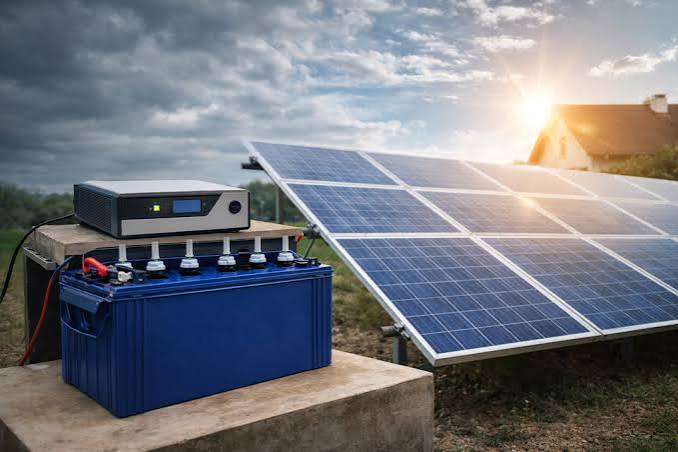
Energy storage designed to retain compatible solar electricity for later use or selected backup loads.
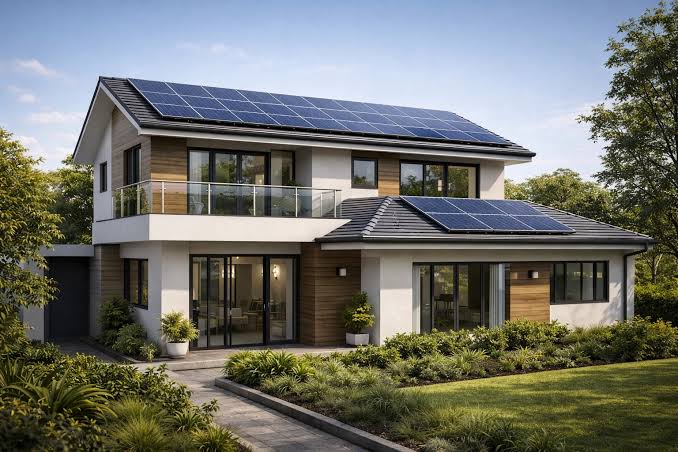
Photovoltaic modules selected for the available roof or ground area and the system design.
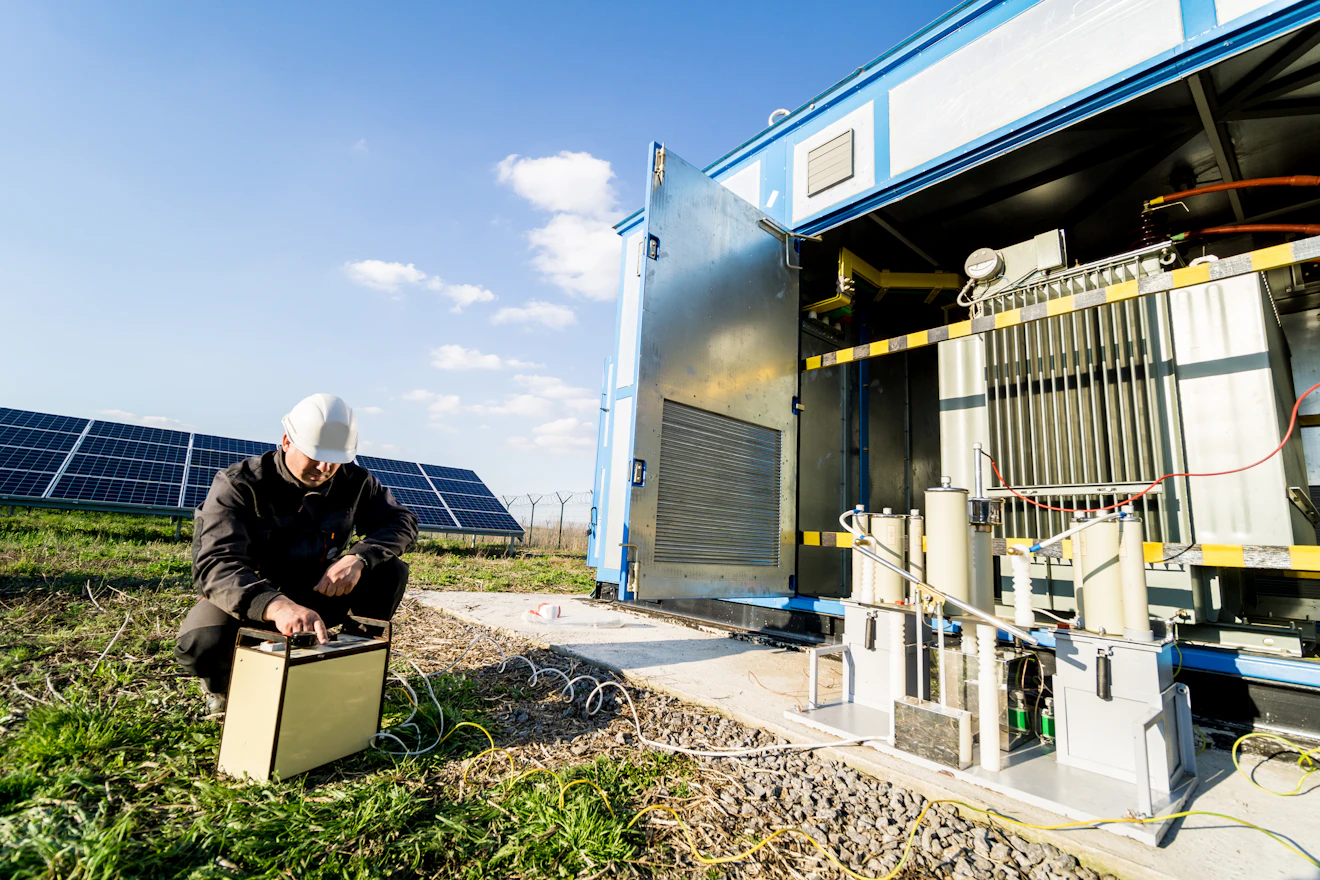
Inverter options that convert solar DC power into usable AC electricity and manage system operation.
Get clear answers about system options, installation and the next step.