Key features
- DC-to-AC conversion
- Options for grid-tied, off-grid and hybrid designs
- Monitoring features on supported models
- Protections and configuration vary by model
Inverters that convert solar DC power into usable AC electricity and manage system operation.
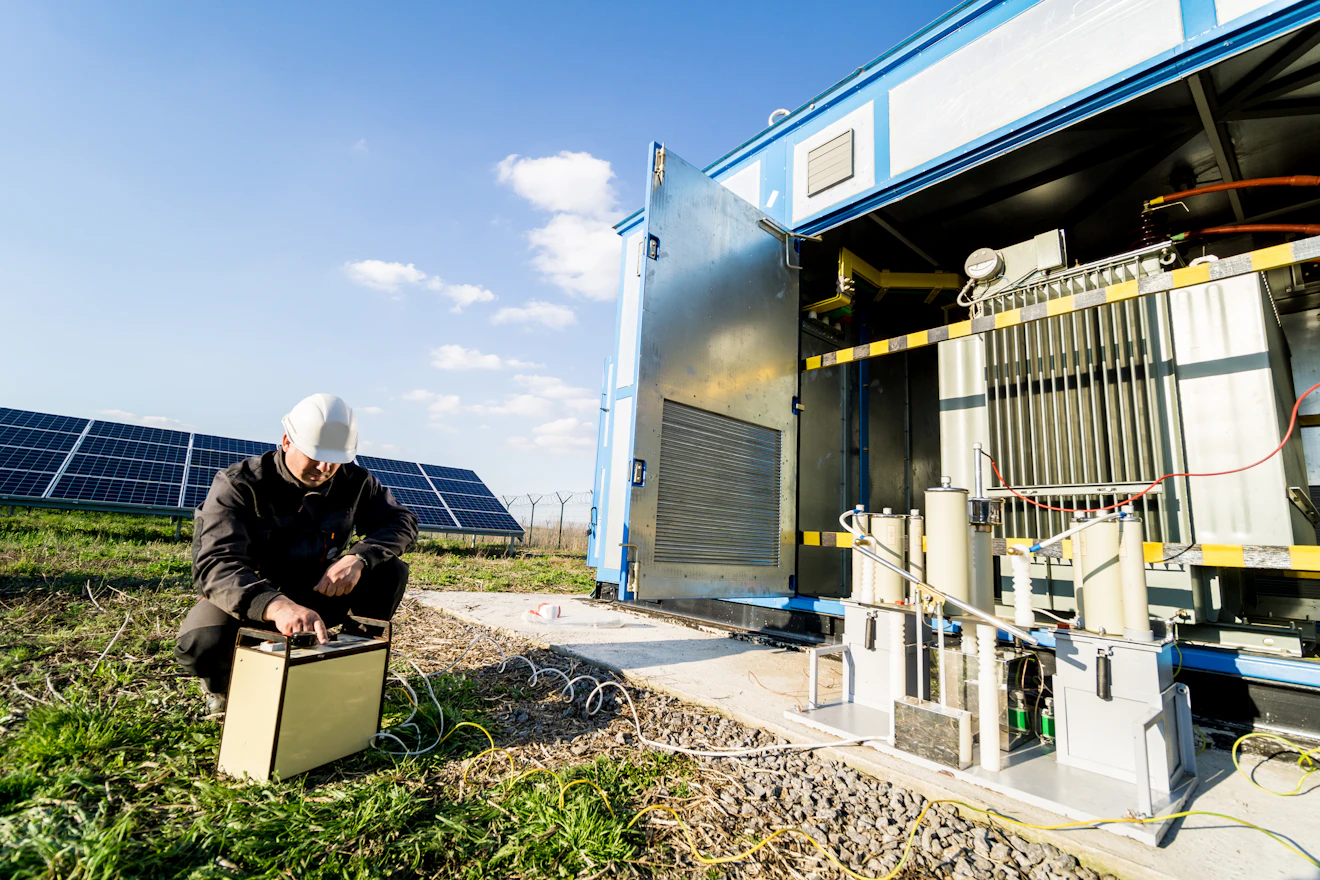
The solar inverter converts DC output from panels into AC electricity and, depending on type, may manage grid interaction, battery charging, monitoring or backup circuits.
Inverter selection should match array voltage and power, system architecture, expected loads and any storage plans. Installation location, ventilation, protection and access for service are also considered during planning.
Request an assessmentThe inverter receives DC power from solar modules and uses electronic switching to produce AC output. A grid-tied model synchronizes with utility supply; a battery or hybrid model may additionally manage stored energy and specified backup circuits.
The best inverter depends on the system rather than a single headline specification. Consider panel configuration, backup expectations, storage compatibility and site conditions when planning equipment.
System performance, availability and approvals vary by equipment and location. A site-specific assessment is recommended before purchase.

Photovoltaic modules selected for the available roof or ground area and the system design.

Flexible solar power that combines a utility connection with battery storage for selected backup needs.
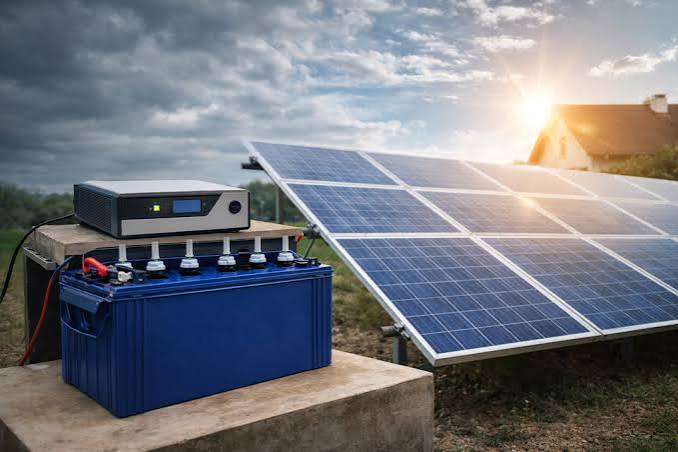
Energy storage designed to retain compatible solar electricity for later use or selected backup loads.
Get clear answers about system options, installation and the next step.