Key features
- Photovoltaic generation from sunlight
- Module layout planned for usable site area
- Compatibility checked against inverter design
- Mounting and cable routing considered together
Photovoltaic modules selected for the usable roof or ground area and system design.
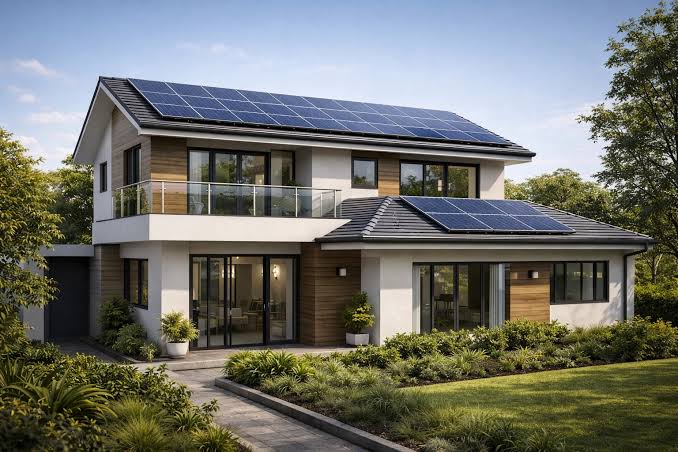
Solar panels use photovoltaic cells to convert sunlight into direct-current electricity. Panel choice is made with attention to rated output, dimensions, site conditions, mounting design and compatibility with the rest of the system.
Performance on a real site depends on orientation, tilt, shading, temperature, ventilation and maintenance. A site assessment helps determine a suitable module layout and identify structural or electrical considerations before installation.
Request an assessmentSunlight excites photovoltaic cells within a module, creating DC electrical output. Multiple modules are connected into strings sized to match the selected inverter. The inverter converts the generated electricity into a form suitable for the system design.
Selecting the right module is about more than the highest nameplate number. Roof space, shading, structure, electrical limits and product documentation all matter to the quality of the finished array.
System performance, availability and approvals vary by equipment and location. A site-specific assessment is recommended before purchase.
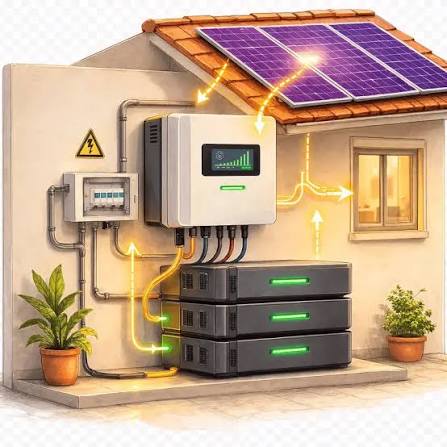
A grid-connected solar solution designed to help homes and businesses use more of the power they generate.
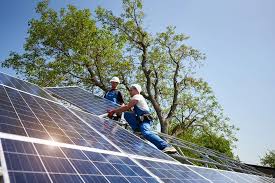
Careful mounting and installation planning for secure panel placement and maintainable solar systems.
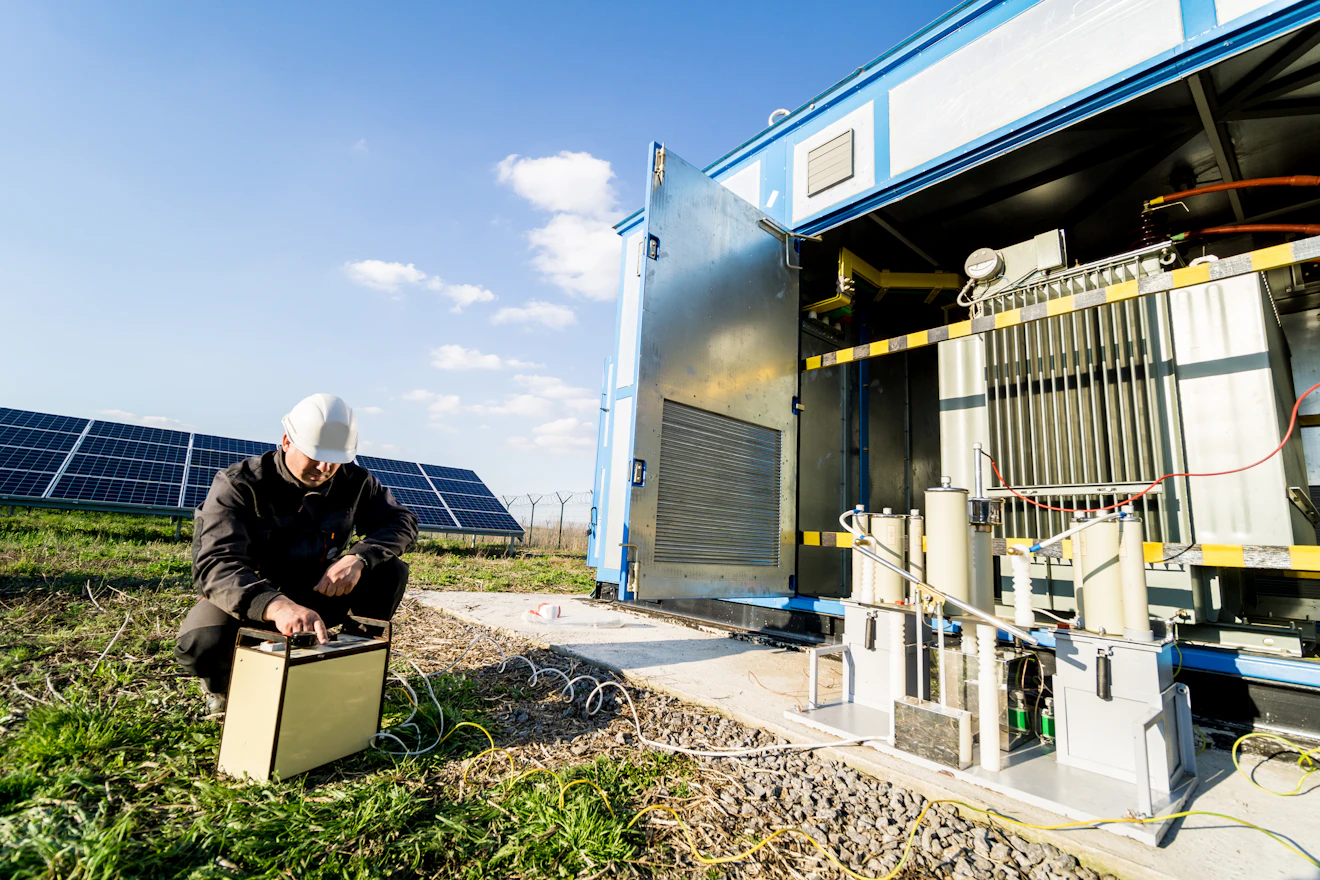
Inverter options that convert solar DC power into usable AC electricity and manage system operation.
Get clear answers about system options, installation and the next step.