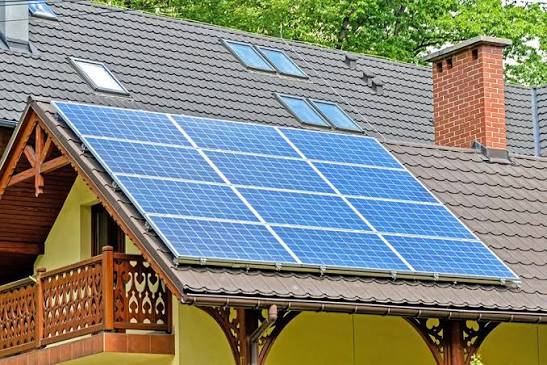
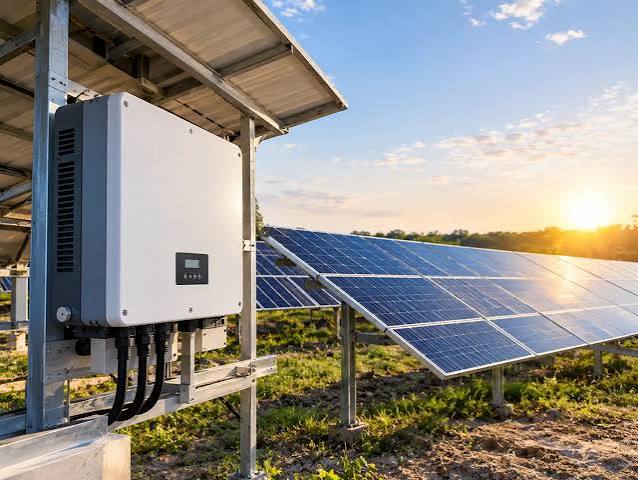
Key inverter considerations include system type, panel compatibility, storage plans, monitoring and installation conditions.
Start with system architecture
Grid-tied, off-grid and hybrid systems have different operating needs. Identify whether batteries, backup circuits or utility export are part of the project before comparing inverter options.
Check electrical compatibility
The inverter must suit the array’s voltage and current ranges and intended AC loads. The design should account for string layout, power limits, protections and applicable electrical requirements.
Think about location and service
Heat, dust, moisture, ventilation and safe access can influence where equipment is installed. Monitoring features, warranty terms and availability of qualified service are also worth reviewing.
Request a design-based recommendation
Rather than selecting by headline rating alone, ask how the proposed inverter fits the complete array and what happens during a grid outage. A clear answer should describe any backup limitations.
This article is for general information. Equipment selection, savings, system performance and approvals depend on the site, local rules and specific products. Ask a qualified professional for project-specific advice.