
Compare grid-connected and stand-alone solar designs by looking at grid access, storage requirements and your everyday loads.
How an on-grid system works
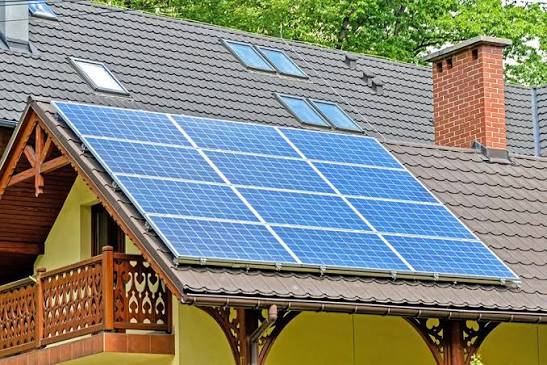
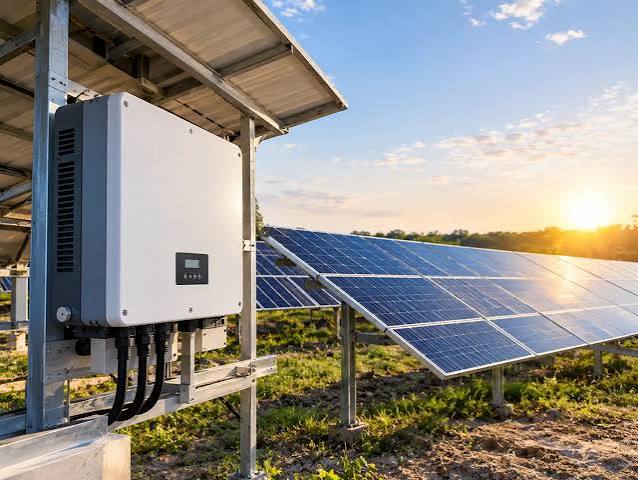
An on-grid system connects a solar inverter to the utility supply. Solar generation can serve building loads when available, while the grid remains the source when generation is insufficient. Standard grid-tied systems generally shut down during outages unless a separate backup design is provided.
How an off-grid system works
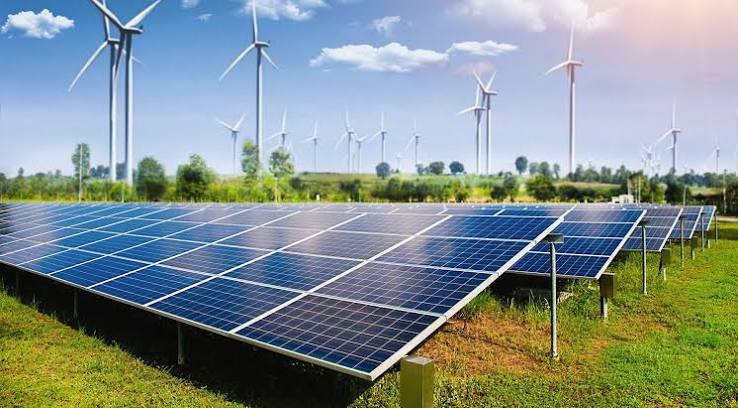
An off-grid system is designed to operate independently and normally includes batteries. System sizing must account for daily consumption, seasonal sunlight, battery capacity and backup arrangements. Managing loads is often part of successful off-grid use.
Questions to guide your choice
Start with the reliability of grid access, the loads you need to support and whether power must be available during an outage. Also consider the space available, future needs and budget for storage.
A site assessment matters
Neither approach is universally best. A qualified assessment can compare your usage and site conditions with local interconnection rules and explain what the proposed system can and cannot supply.
This article is for general information. Equipment selection, savings, system performance and approvals depend on the site, local rules and specific products. Ask a qualified professional for project-specific advice.